

A chick whose head twists sideways, backward, or downward may have wry neck, also called torticollis. The most important thing to know about wry neck chick treatment is that wry neck is a symptom, not a diagnosis. Nutritional deficiency can cause it, but so can injury, neurological disease, infection, toxins, and developmental problems.
Start by protecting the chick from injury, helping it reach food and water safely, and checking its diet. If the chick cannot eat or drink, is rapidly worsening, has seizures or breathing problems, or other birds are becoming sick, veterinary help is more important than trying increasingly aggressive home remedies.
Quick answer: What should you do for a chick with wry neck?
For a chick with a twisted or uncontrolled neck:
- Move it to a safe, quiet recovery area where it cannot be trampled or pecked.
- Keep it appropriately warm for its age, without overheating it.
- Place food and water within easy reach so the chick does not have to stretch or balance.
- Feed a complete, fresh chick starter rather than relying on treats or homemade mixtures.
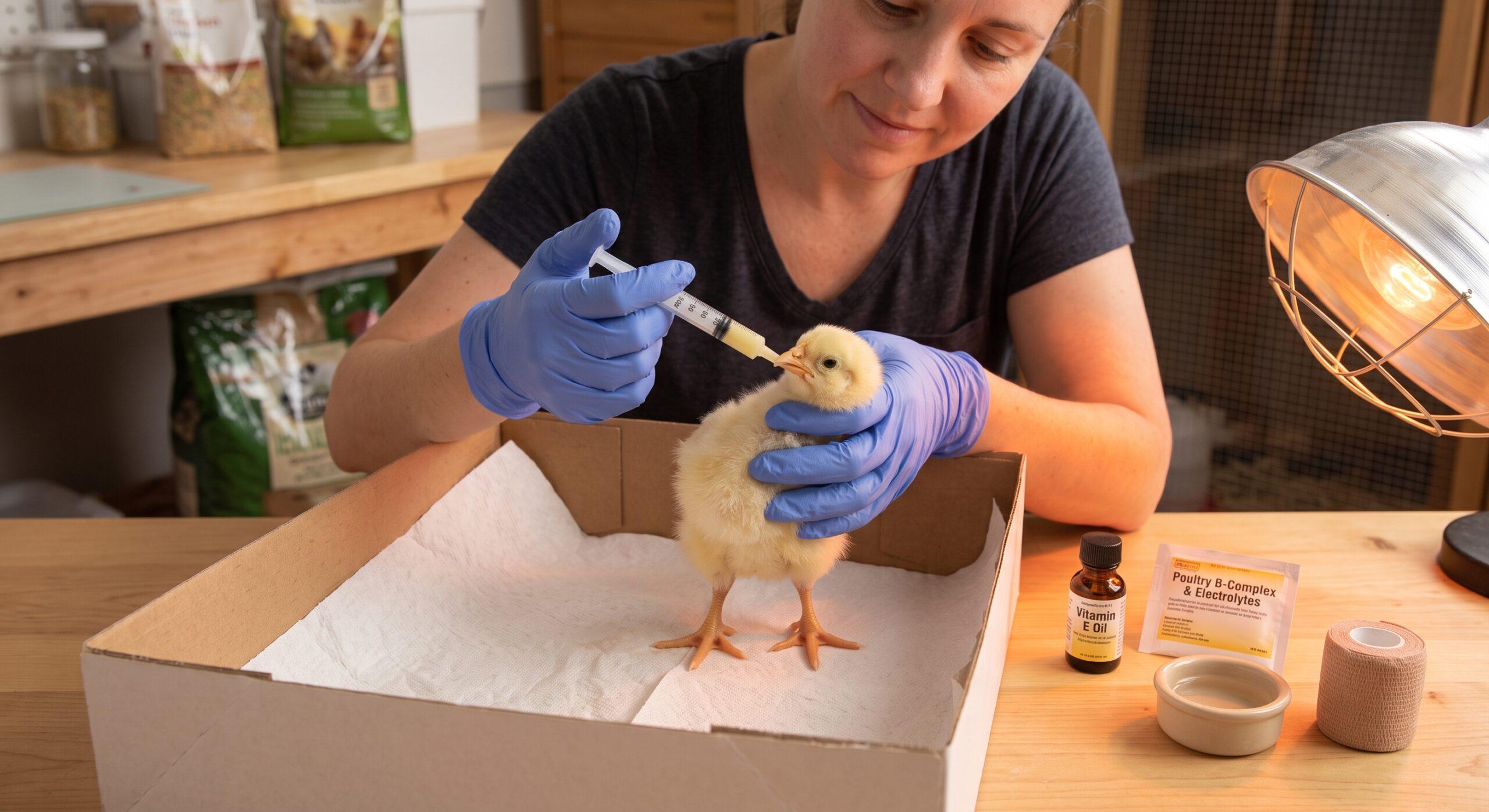
- Consider nutritional supplementation only with an appropriate poultry product or veterinary guidance, particularly when vitamin E deficiency is suspected.
- Do not force water or liquid down the throat. A chick with poor head control can aspirate fluid into its respiratory tract.
- Watch for signs suggesting infection, trauma, or severe neurological disease, especially if more than one bird is affected.
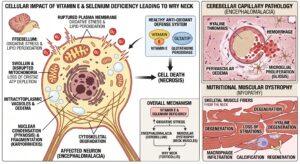
Vitamin E deficiency is one recognized cause of neurological disease in chicks. Merck Veterinary Manual describes encephalomalacia as one of the major disorders associated with vitamin E deficiency and notes that affected chicks can develop ataxia and other neurological abnormalities. Response to vitamin E depends partly on how advanced the neurological damage has become.
That does not mean every chick with wry neck needs large doses of vitamin E or selenium.
What does wry neck look like in a chick?
Wry neck can vary from a mild persistent head tilt to dramatic loss of neck control.
You may see a chick:
- holding its head permanently to one side;
- twisting its neck backward;
- tucking its head beneath its body;
- looking upward uncontrollably;
- circling or stumbling;
- falling over when trying to walk;
- struggling to aim at food or water;
- trembling through the head or neck;
- appearing normal for short periods and then twisting again.
Some chicks remain bright and hungry despite the abnormal neck position. Others become weak quickly because they cannot eat or drink effectively.
The pattern matters. A chick with an isolated head tilt after being pecked or dropped presents a different problem from several chicks developing tremors, weakness, respiratory symptoms, and neurological signs at the same time.
Wry neck is a symptom, not a disease
One of the biggest mistakes in treating wry neck is assuming that the neck position itself identifies the cause.
Torticollis simply describes an abnormal position or movement of the head and neck. Neurological problems can interfere with the chick’s ability to control those muscles normally.
Possible causes include:
- vitamin E or other nutritional deficiencies;
- problems with feed quality or nutrient availability;
- head or neck trauma;
- developmental or congenital abnormalities;
- avian encephalomyelitis;
- Newcastle disease;
- Marek’s disease in somewhat older chicks;
- fungal or other infections affecting the nervous system;
- exposure to toxins;
- severe systemic illness.
Because the treatments for these conditions are very different, the chick’s age, diet, recent history, symptoms, and whether other birds are affected are important clues.
Common causes of wry neck in chicks
Vitamin E deficiency and encephalomalacia
Vitamin E deficiency is one of the best-known nutritional causes of neurological abnormalities in chicks.
Vitamin E protects cell membranes against oxidative damage. When a chick’s diet provides too little usable vitamin E, neurological tissue—particularly the cerebellum—can be affected. Merck Veterinary Manual identifies encephalomalacia, exudative diathesis, and muscular dystrophy as major disorders associated with vitamin E deficiency in chicks.
Neurological signs can include poor coordination and loss of normal movement control.
Vitamin E deficiency becomes more plausible when:
- chicks are eating an incomplete or improperly formulated diet;
- feed is old, damaged, or poorly stored;
- large amounts of treats have displaced balanced chick starter;
- several chicks receiving the same diet develop problems;
- there are other signs of weakness or poor growth.
A properly manufactured chick starter is designed to provide the nutrients growing chicks require. If nutritional deficiency is suspected despite using appropriate feed, investigate how the feed has been stored and whether the chick has actually been eating enough of it.
Selenium and vitamin E
Selenium and vitamin E have related roles in antioxidant protection. Merck notes that the two nutrients can have mutually supportive functions in poultry.
This relationship is why many online wry-neck remedies pair vitamin E with selenium.
However, selenium should not be treated as a harmless supplement. Chicks require only small amounts, and improvised dosing with concentrated human tablets or livestock products makes accurate dosing difficult. A poultry-formulated product used according to its label—or a veterinarian’s recommendation—is safer than crushing an arbitrary portion of a human supplement.
More selenium is not automatically better.
Avian encephalomyelitis
Avian encephalomyelitis is a viral neurological disease that can affect young chicks.
Typical signs include:
- ataxia;
- leg weakness;
- progressive paralysis;
- fine tremors of the head and neck;
- recumbency in severe cases.
Vertically infected chicks may show neurological signs during their first week after hatching. Chicks infected horizontally commonly develop signs at approximately 2–4 weeks of age.
A group of young chicks developing tremors or progressive neurological abnormalities therefore deserves veterinary attention rather than being assumed to have a simple vitamin deficiency.
Head or neck injury
Trauma is another possibility, particularly when only one chick is affected.
Potential causes include:
- being stepped on;
- being pecked by larger chicks;
- striking brooder equipment;
- falling;
- rough handling;
- predator injury.
Look for swelling, wounds, bleeding, abnormal pupils, obvious pain, inability to stand, or a clear event immediately preceding the symptoms.
Avoid repeatedly straightening or stretching the chick’s neck. If an injury is present, manipulating the neck may cause additional pain or damage.
Newcastle disease
Virulent Newcastle disease can produce serious neurological disease in poultry. Depending on the form of infection, affected chickens may develop tremors, seizures, paralysis, circling, respiratory distress, and torticollis.
Be especially concerned if wry neck appears alongside:
- coughing or sneezing;
- nasal discharge;
- difficulty breathing;
- greenish diarrhea;
- marked lethargy;
- rapidly spreading illness;
- multiple deaths.
This is not a condition to treat as a nutritional problem at home.
Marek’s disease
Marek’s disease can affect the peripheral nerves and cause paralysis and other neurological abnormalities.
However, age is useful when evaluating this possibility. Merck reports that clinical Marek’s disease in backyard chickens commonly appears at approximately 4–14 weeks of age, although older birds can also develop disease. There is no treatment for Marek’s disease; prevention centers on vaccination at hatch.
A newly hatched chick with wry neck is therefore less typical of Marek’s disease than a several-week-old bird developing progressive neurological problems.
Aspergillosis
Aspergillosis is a fungal disease most often involving the respiratory system, but neurological involvement can occasionally cause torticollis and tremors.
Possible clues include:
- labored breathing;
- poor appetite;
- weight loss;
- lethargy;
- increased mortality;
- moldy bedding or environmental contamination.
If respiratory disease accompanies neurological signs, seek veterinary diagnosis.
Developmental problems or congenital abnormalities
A chick that displays an abnormal neck position immediately after hatching may have a developmental problem rather than an acquired deficiency.
Hatching difficulty, embryonic abnormalities, or neurological defects can sometimes cause persistent problems from day one.
Supportive care may help a mildly affected chick, but a severe congenital abnormality may not respond to vitamin treatment.
Step-by-step wry neck chick treatment and supportive care
1. Protect the chick from injury
Place the chick in a small, clean recovery enclosure where it cannot be knocked over or trampled.
Soft, nonslip footing is useful. Avoid deep containers, hard edges, high objects, or anything the chick could become trapped behind.
If the chick is otherwise stable and infection is not suspected, keeping its recovery space within sight or sound of its brooder mates may reduce isolation stress while still protecting it physically.
2. Maintain the correct brooder temperature
A neurologically compromised chick may have difficulty positioning itself beneath or away from a heat source.
Maintain an age-appropriate brooder environment and make sure the chick can move away from the warmest area if necessary.
Watch the chick rather than relying only on a thermometer:
- persistent huddling and loud distress calls can indicate cold;
- panting and avoiding the heat source can indicate excessive warmth.
A weak chick should not have to expend unnecessary energy regulating its body temperature.
3. Make food easy to reach
A chick with wry neck may be hungry but physically unable to aim accurately at a feeder.
Use a shallow dish and place it where the chick naturally holds its head. Moistened chick starter can sometimes be easier to pick up than dry crumbs while still keeping the diet nutritionally appropriate.
The foundation of the diet should remain complete chick starter.
Avoid trying to cure the problem by replacing balanced feed with large quantities of:
- egg yolk;
- seeds;
- tuna;
- spinach;
- treats;
- homemade vitamin mixtures.
Small supportive foods may occasionally help stimulate appetite, but they should not displace the nutritionally balanced ration a growing chick needs.
4. Help the chick drink safely
Dehydration can quickly worsen weakness.
Use a shallow, stable drinker that the chick can reach without needing to bend dramatically. You may gently bring the chick’s beak to the water and allow it to drink on its own.
Do not squirt water into the back of the mouth or throat.
A chick with poor neurological control may not swallow normally. Forceful syringe administration can send fluid into the respiratory tract rather than the esophagus.
If the chick cannot swallow safely by itself, professional assistance with fluid and nutritional support is warranted.
5. Review the feed immediately
Ask:
- Is the chick eating a commercial starter formulated for chicks?
- Is the feed within its use-by period?
- Has it been stored somewhere hot or damp?
- Does it smell rancid or musty?
- Is there visible mold?
- Are treats making up a meaningful part of the diet?
- Are all affected chicks eating the same batch?
If the feed appears questionable, replace it with fresh, appropriately formulated chick starter.
Do not feed visibly moldy or spoiled feed.
6. Use vitamin supplements cautiously
If nutritional deficiency is considered likely, vitamin supplementation may be appropriate.
Vitamin E supplementation can reverse some vitamin E deficiency disorders when treatment begins early, although neurological damage from encephalomalacia may not always be completely reversible.
For a tiny chick, the safest approach is to use:
- a poultry vitamin preparation intended for chicks and used according to its directions; or
- a veterinarian-prescribed dose based on the chick’s weight and condition.
Avoid assuming that an adult-chicken dose, a human supplement capsule, or an online recipe is automatically suitable for a day-old chick.
7. Monitor the chick closely
Record whether the chick can:
- stand;
- walk;
- hold its head up;
- eat independently;
- drink independently;
- swallow normally;
- produce normal droppings;
- respond normally to its surroundings.
Also note whether the neck position is becoming better, worse, or simply different.
A short video taken once or twice daily can be useful when discussing progression with a veterinarian because neurological movements can be difficult to describe accurately.
Should you give vitamin E and selenium for wry neck?
Vitamin E can be appropriate when vitamin E deficiency is actually contributing to the neurological signs. Selenium may also be relevant nutritionally, but neither should be treated as a universal cure for torticollis.
The internet contains many highly specific home recipes involving vitamin E capsules, selenium tablets, children’s vitamins, and homemade mixtures. Some recommend increasing the dose if improvement does not occur quickly.
That approach has several problems.
First, wry neck can have causes that will not respond to vitamin E at all.
Second, products vary greatly in concentration.
Third, a dose described for an adult chicken cannot automatically be scaled safely for a chick weighing only a fraction as much.
Fourth, increasing selenium without knowing how much the chick is already receiving can create a new nutritional problem.
A poultry-specific product with clear instructions is preferable. Severe cases, extremely young chicks, or birds unable to eat normally should be discussed with a veterinarian.
How quickly should a chick recover?
There is no reliable universal recovery time.
A chick with a mild and reversible nutritional problem may improve after the underlying deficiency and feeding problem are corrected. A chick with substantial neurological damage, trauma, congenital disease, or infection may improve slowly, remain disabled, or not recover.
Do not use a lack of dramatic improvement within a day as a reason to keep increasing supplement doses.
Instead, judge progress by function:
- Is the chick holding its head normally for longer periods?
- Is balance improving?
- Can it reach food more easily?
- Is it drinking?
- Is activity increasing?
- Is body weight stable or increasing?
Worsening function is more important than the number of hours that have passed.
Signs that wry neck needs a veterinarian urgently
Arrange prompt veterinary evaluation if the chick:
- cannot swallow;
- cannot eat or drink adequately;
- repeatedly falls onto its back or side;
- becomes unable to stand;
- develops seizures;
- has severe or rapidly worsening tremors;
- appears injured or painful;
- has difficulty breathing;
- has nasal or eye discharge;
- develops significant diarrhea;
- becomes profoundly lethargic;
- stops responding normally;
- continues deteriorating despite supportive care.
Also treat the situation as potentially infectious if multiple birds become sick or die.
In the United States, USDA APHIS advises poultry owners to report sick or dying birds to a veterinarian, Cooperative Extension service, State veterinarian, or USDA. Its current Defend the Flock program lists 1-866-536-7593 for reporting sick birds.
Wry neck clues by cause
| Possible cause | Clues that may point toward it | What to do |
|---|---|---|
| Vitamin E/nutritional deficiency | Poor or questionable diet, multiple chicks on same feed, incoordination or weakness | Replace questionable feed with fresh complete starter; discuss appropriate supplementation |
| Trauma | Sudden onset in one chick, pecking or accident history, swelling or pain | Prevent further injury and seek veterinary help if neurological signs are significant |
| Avian encephalomyelitis | Very young chicks, fine tremors, ataxia, weakness or progressive paralysis | Isolate affected birds and obtain veterinary/diagnostic advice |
| Newcastle disease | Neurological signs plus respiratory disease, diarrhea, rapid spread or deaths | Treat as urgent infectious-disease concern; contact animal-health authorities |
| Marek’s disease | Often several weeks old, progressive paralysis or nerve dysfunction | Veterinary diagnosis; no curative treatment is available |
| Aspergillosis | Breathing problems, lethargy, poor appetite with possible neurological signs | Veterinary evaluation and investigate environmental mold exposure |
| Congenital/developmental problem | Present from hatch and not linked to diet change or illness | Supportive care and veterinary assessment if severe |
These clues are useful for triage, not for making a definitive diagnosis at home.
Common wry neck treatment mistakes
Assuming every case is vitamin deficiency
Vitamin E deficiency is important, but a twisted neck can also accompany infectious and neurological diseases.
If the chick has respiratory symptoms, paralysis, severe tremors, or flock mates are becoming ill, continuing to add vitamins while ignoring the broader picture may delay essential diagnosis.
Giving increasingly large supplement doses
A lack of rapid improvement does not prove the chick needs more vitamin E or selenium.
It may mean the original diagnosis was wrong.
Use supplements at an appropriate dose rather than escalating them until something happens.
Using concentrated human selenium without checking the dose
Human supplements may contain quantities that are difficult to divide accurately for a very small chick.
Choose a poultry product with clear instructions or obtain a veterinary dose.
Force-feeding liquids
Trying to keep a chick hydrated is sensible. Pouring or squirting liquid into the mouth is not.
Allow the chick to swallow voluntarily whenever possible. A chick that cannot swallow properly requires a different level of supportive care.
Leaving a disabled chick in a busy brooder
Other chicks may step on, peck, or crowd a bird that cannot control its head.
A small recovery enclosure prevents secondary injuries while you determine whether the problem is improving.
Feeding treats instead of correcting the underlying diet
Sunflower seeds, eggs, vegetables, or other individual foods do not provide the carefully balanced nutrition of a complete chick ration.
Correct the diet rather than trying to assemble one nutrient at a time.
Ignoring the rest of the flock
One injured chick and six chicks developing neurological disease are very different situations.
Check every bird at least twice daily for:
- appetite;
- activity;
- tremors;
- weakness;
- respiratory symptoms;
- abnormal droppings;
- unexplained deaths.
That flock-level information can dramatically change the likely diagnosis.
How to prevent nutritional cases of wry neck
Not every case is preventable, but good feeding practices reduce the likelihood of nutritional disease.
Feed a complete chick starter
Growing chicks have specific nutrient requirements.
Use feed formulated for their life stage as the primary diet, and avoid diluting it with excessive treats.
Keep feed fresh and dry
Store feed:
- away from moisture;
- away from direct heat;
- in a clean container;
- protected from rodents and insects.
Discard feed that smells rancid, looks moldy, or has been contaminated.
Vitamin E can be affected by feed composition and storage conditions, and Merck notes that dietary factors including unstable unsaturated fats can contribute to vitamin E-deficiency encephalomalacia.
Avoid unnecessary long-term supplementation
A nutritionally complete feed already contains vitamins and minerals.
Routine addition of several concentrated supplements can upset nutrient balance rather than improve it. Supplements make the most sense when there is a known need, a temporary stressor addressed by the product label, or veterinary guidance.
Practice good biosecurity
Because neurological signs are not always nutritional, disease prevention matters too.
Reduce unnecessary contact between your flock and:
- wild birds;
- unfamiliar poultry;
- shared equipment;
- contaminated footwear;
- visitors who have recently handled other poultry.
Clean feeders and drinkers regularly and isolate new birds before integrating them into an established flock.
Frequently asked questions
Can a chick survive wry neck?
Yes, some chicks recover completely, particularly when the underlying cause is reversible and treatment begins before severe neurological damage or dehydration develops.
The prognosis is less predictable when wry neck results from infection, major trauma, developmental disease, or advanced neurological damage.
Is wry neck contagious?
Wry neck itself is not contagious because it is a symptom.
The underlying cause may be noninfectious, such as nutritional deficiency or trauma, or infectious, such as avian encephalomyelitis or Newcastle disease.
If several birds develop neurological signs, assume an infectious cause is possible until it has been investigated.
Is vitamin E deficiency the most common cause?
Vitamin E deficiency is a well-recognized cause of neurological disease in chicks, but a twisted neck alone cannot prove that deficiency is responsible.
Age, diet, flock history, other symptoms, and veterinary testing are needed to narrow down the cause.
Can I use human vitamin E capsules?
The vitamin itself may be used in veterinary nutritional treatment, but human products come in different concentrations, and dose requirements depend on the bird.
For a very young chick, a poultry-formulated product or veterinary dosing recommendation reduces guesswork.
Does selenium cure wry neck?
No. Selenium is an essential trace mineral that works in biological antioxidant systems related to vitamin E, but it is not a cure for every cause of torticollis.
If a chick’s neurological signs come from trauma or an infectious disease, selenium does not correct the underlying problem.
Should a chick with wry neck be separated?
Usually, temporarily separating a severely affected chick is useful because it prevents trampling and gives the bird easier access to food and water.
The recovery area should remain appropriately warm. When infectious disease is suspected, use stricter isolation practices and avoid carrying contamination between enclosures.
Can wry neck appear immediately after hatching?
Yes. Neurological or developmental abnormalities can be apparent at hatch, and vertically acquired avian encephalomyelitis can cause neurological signs during the first week of life.
A symptom appearing immediately after hatch should not automatically be blamed on the chick’s post-hatch diet.
When should I consider euthanasia?
A veterinarian can help assess welfare and prognosis when a chick has severe neurological disease.
Humane euthanasia may need to be considered if the chick cannot reliably eat, drink, stand, or avoid repeated injury; is experiencing persistent distress; or has a condition with little realistic chance of functional recovery.
The safest approach to wry neck chick treatment
Effective wry neck chick treatment starts with recognizing that a twisted neck is a clinical sign with several possible causes. Protect the chick, keep it appropriately warm, make balanced food and water easy to reach, review feed quality, and correct suspected nutritional problems carefully rather than using uncontrolled supplement doses.
Vitamin E deficiency can cause neurological disease in chicks and may respond to early nutritional correction, but vitamin supplements cannot treat every case. Tremors, paralysis, breathing problems, rapidly worsening symptoms, multiple sick chicks, or unexplained deaths are reasons to involve a veterinarian or poultry health professional promptly.
Support the chick first, investigate the cause second, and let the cause—not the appearance of the neck alone—determine the treatment.